Behind the Scenes Tour
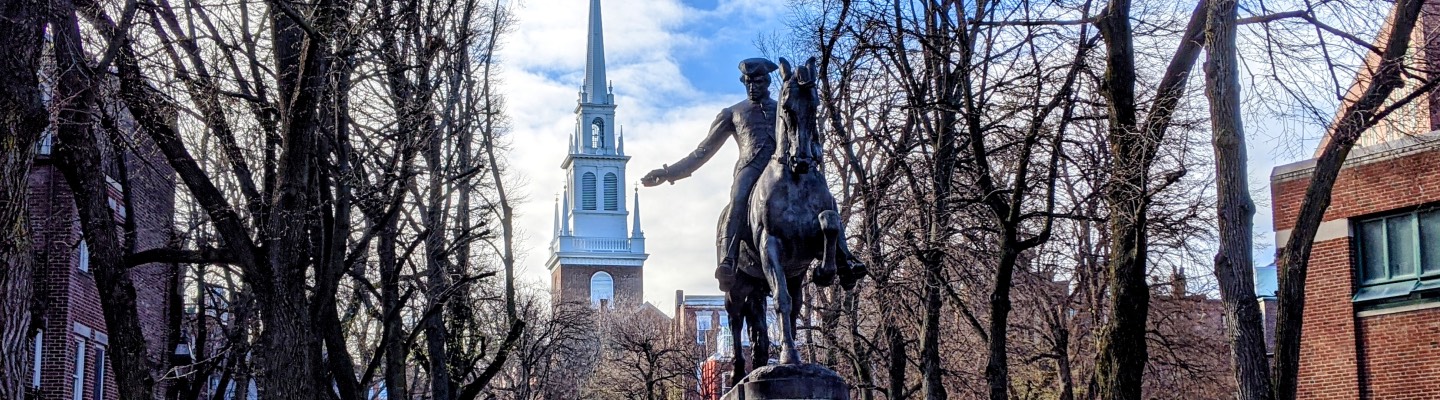
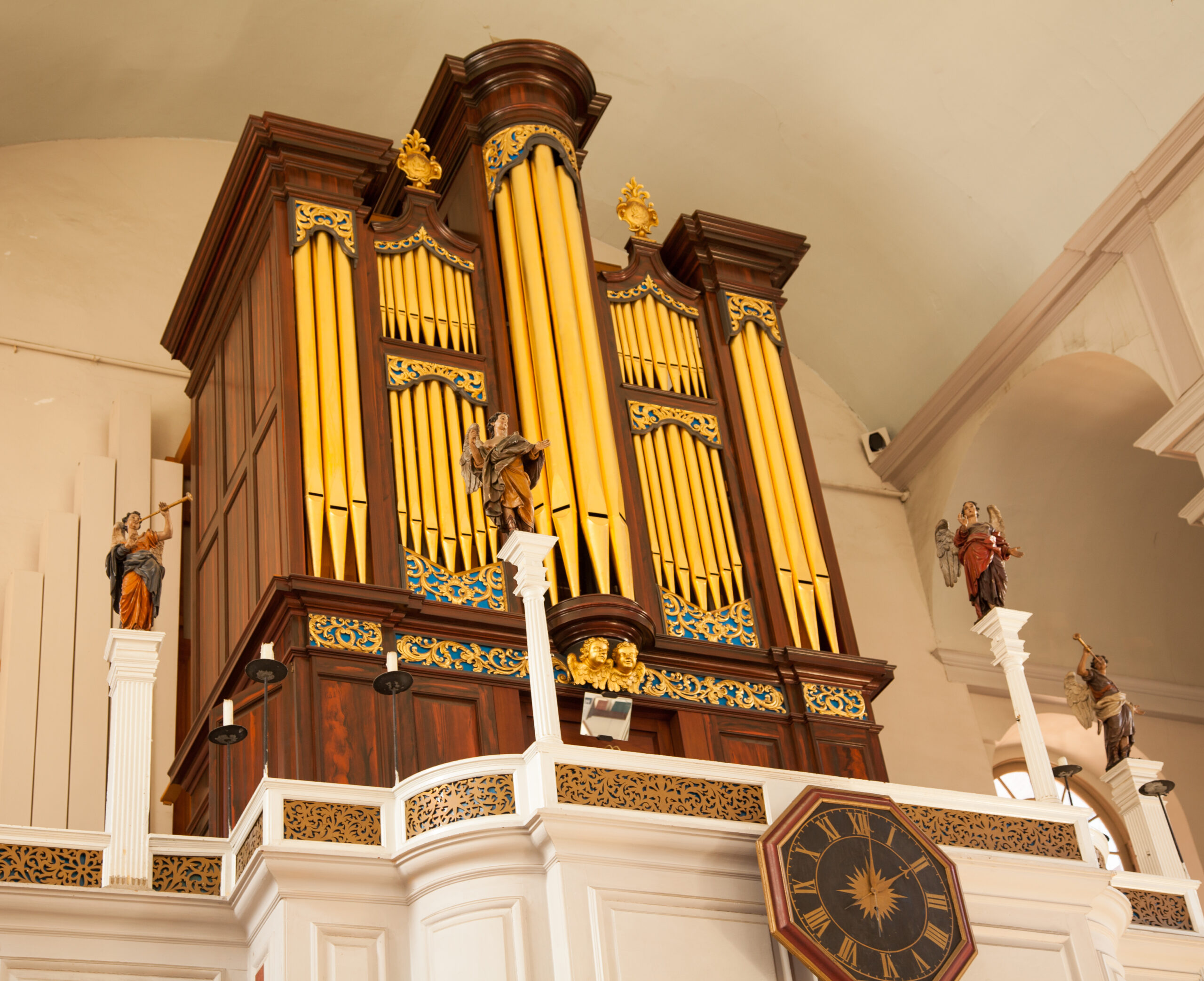
We are excited to offer a virtual behind the scenes video tour of the Old North Church! Join Old North’s Researcher, TJ Todd, to learn the true story of Paul Revere’s famous signal lanterns and to take an immersive look at the church’s gallery, archive room, bell ringing chamber, columbarium, and crypt. Along the way, viewers will be introduced to the many people whose labor and contributions, both freely given and coerced through enslavement, helped build Old North Church into the place it is today.
Take a Virtual Tour of Old North Church
This half-hour video is available to educators and to programming planners for senior living facilities, after-school programs, adult day programs, and similar groups.
Available for educators of grades 5-12
When educators sign up for access to our Behind the Scenes video tour, they also receive free student enrichment packets. In these activities, students further engage with the idea of active citizenship by reflecting on how they can be active citizens in their own communities and by analyzing the labor of various people throughout Old North’s history.
Students also learn more about Black congregants at Old North, the church’s connection to enslaved labor, and the importance of telling inclusive histories.
Learning Outcomes
- Identify the working roles of individuals and teams of people as active citizens in the Old North community.
- Consider the free and enslaved labor that contributed to Old North as a building, a community, and a national icon.
- Identify the roles that active citizenship can play in their lives and communities.
- Recognize Old North Church as an example of Northern slavery’s pervasive influence even at places known as icons of freedom.
Lesson 1: Active Citizenship, Labor, and Contribution
In Part 1, students define what it means to be a citizen and fill out a table identifying the labor completed by people from Old North’s history and explaining how it contributed to the church.
In Part 2, students identify members of their school community and examples of how their labor contributes to the school. Students then plan a project that they could complete that would help improve their school community.
Lesson 2: The Paradox of Old North
In Part 1, students learn about the concept of a paradox by applying it to Old North’s complex history as a symbol of freedom that also relied on enslaved labor.
In Part 2, students reflect on why it’s important to tell inclusive histories.
Lesson 1: Active Citizenship, Labor, and Contribution
In Part 1, students connect the concepts of labor and contribution to active citizenship. They then apply these ideas to Old North by filling out a table identifying the labor completed by people from Old North’s history and explain how it contributed to the church.
Part 2 encourages students to consider the various communities to which they belong. They identify members of these communities and examples of how their labor contributes to that community. Students then plan a project that they could complete that would help improve one of the communities to which they belong.
Lesson 2: The Paradox of Old North
In Part 1, students analyze transcriptions of church baptismal and marriage records from the 18th century to gain insight into the experience of Black congregants at Old North.
In Part 2, students explain the paradox of Old North being a symbol of freedom while also having connections to enslaved labor. They then consider who within their community has an important story to tell and reflect on why it’s important to write inclusive histories.
Acknowledgements

This program is funded in part by Mass Humanities, which receives support from the Massachusetts Cultural Council and is an affiliate of the National Endowment for the Humanities.